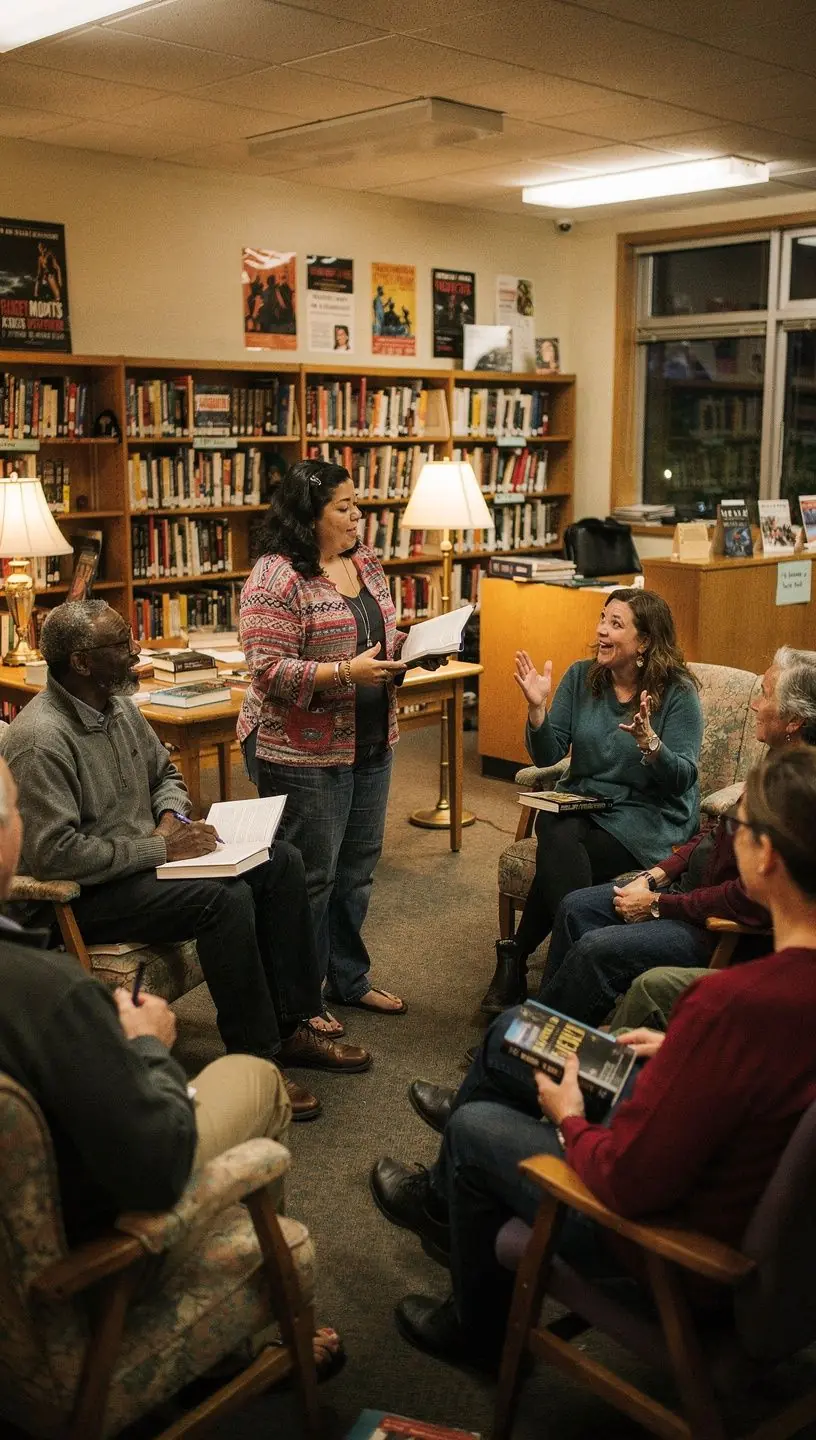
A Practical Guide to Adult Learning in Theater
Engaging in theater is not just for the young; adults aged 40-60 can benefit significantly from participating in this dynamic art form. This article explores how adults can effectively learn and engage in theater, providing a structured approach to participation in upcoming community events and discussions.
Understanding the Basics of Adult Learning in Theater
Adult learning in theater involves a different methodology compared to traditional education. According to research, adults often prefer self-directed learning opportunities that align with their interests and experiences. According to industry experts, effective theater programs for adults should consider the following:

- Relevance: Learning experiences should directly relate to the participants' lives and interests.
- Active Participation: Engaging in performances, discussions, and workshops fosters deeper understanding and retention.
- Collaboration: Group activities enhance the learning experience through shared insights and diverse perspectives.
"Adult learners thrive in environments that foster collaboration and self-expression." - Theater Education Expert
Practical Application of Theater Learning
When considering how to engage in theater, adults should look for programs that address their specific needs and schedules. Here are some practical steps to get involved:
- Identify Interests: Determine which aspects of theater resonate most—be it acting, directing, or technical production.
- Seek Local Opportunities: Look for community theater groups or adult-focused workshops in local cultural centers. Many cities have regular theater talks and exhibitions that cater to adult audiences.
- Commit to Participation: Engage actively by attending performances, participating in discussions, or even enrolling in classes. Many workshops typically span 6-8 weeks, requiring a commitment of several hours each week.
Upcoming Events for Adult Learners
Theater communities across the USA frequently organize events aimed at adult learners. Here are some upcoming activities to keep an eye on:
- Weekly Theater Talks: Every Thursday at the Downtown Cultural Center, focusing on contemporary theater issues and practices.
- Community Evenings: Monthly events that include performances and discussions, ideal for networking with fellow theater enthusiasts.
- Art Exhibitions: Check local listings for exhibitions that combine visual arts with theatrical performance, providing a broader context for adult learners.
Conclusion
Engaging in theater as an adult offers a valuable opportunity for personal growth and community engagement. By understanding how adults learn and participating in structured programs, individuals can enhance their appreciation of the arts and contribute to local cultural scenes. As theater continues to evolve, so too can the experiences of adult learners, allowing for rich cultural discussions and shared experiences in the arts.